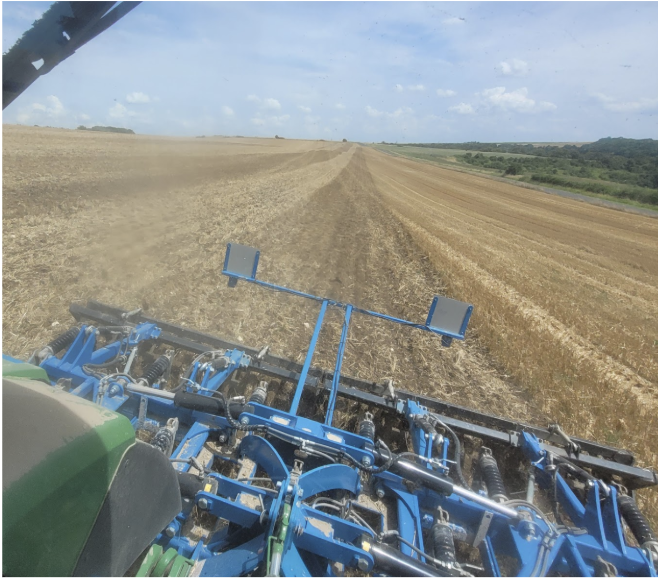
Regenerative Wheat:
What’s holding it back?

Soil Capital can help you position wheat as a flagship sustainability crop — by building a your own regenerative program, supporting your growers through the transition, and delivering credible performance data that benefits both farmer resilience and your climate, biodiversity & water goals.
The challenges of regenerative
milling wheat farming.

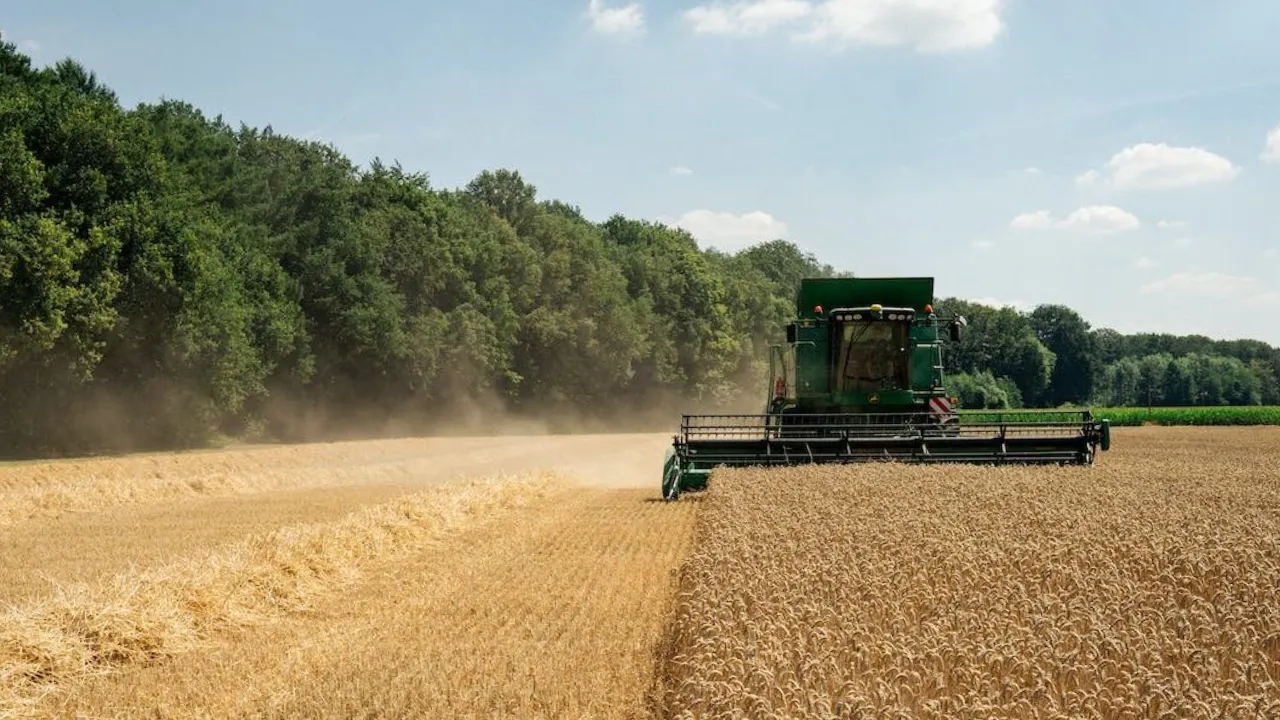
Wheat is Europe's biggest arable crop — and every agronomist and farmer knows the golden recipe: tillage, combined drill seeding, 3-way nitrogen splits, full phyto cover. But wheat also sits at the heart of our food system, which is exactly why the shift toward regenerative practices raises so many questions. Before challenging the recipe, we need to understand the four tensions that make it so hard to leave behind.

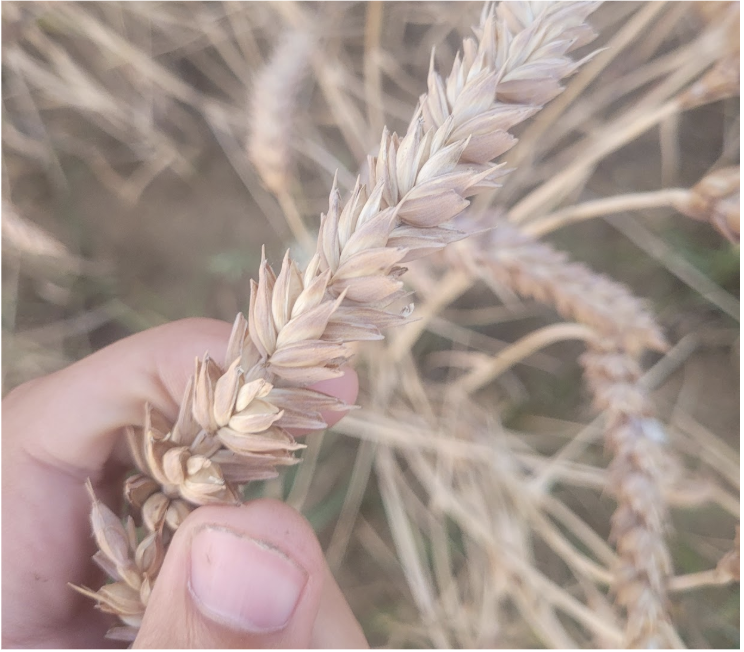
Wheat protein can drop below spec

If nitrogen is poorly managed it can downgrade milling wheat to animal feed - which affects overall quality of wheat crop.

FEAR OF NITROGEN LOCKUP

Surface straw ties up available nitrogen as it breaks down, leaving the wheat plant hungry at its most critical stage.
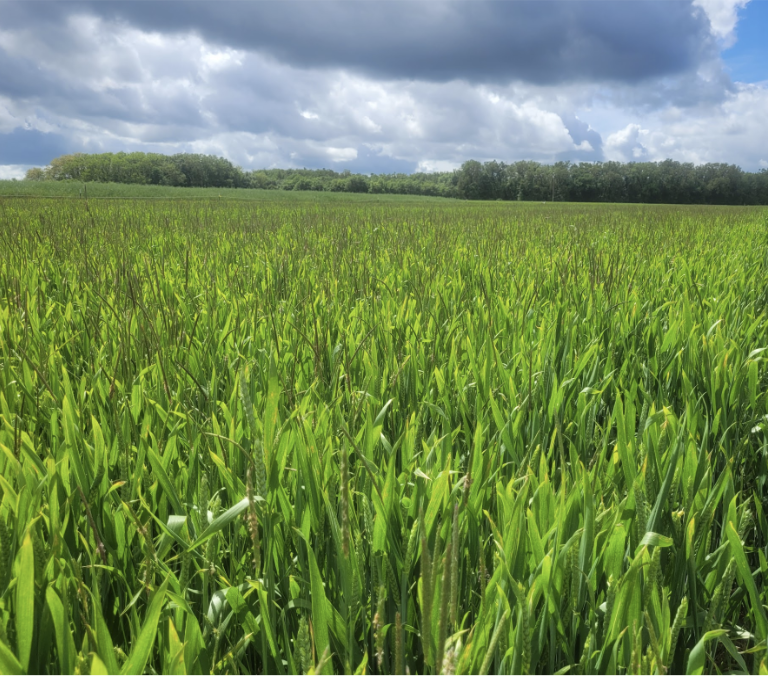
Weeds and Disease are harder to control

Without the plow, resistant weeds spread and Fusarium builds up in residues — raising food safety risks.
The transition takes years, not seasons

Soil health takes 5–10 years to rebuild. With ~40 harvests in a career, every transition year counts.

Stable yields, cut emissions, and build farm resilience

In this 45-minute deep dive webinar:

  • Real data from real barley farms in our programs

  • A deep dive into the practice changes at the farm level that have the most impact on the GHG balance

  • A pathway for maltsters, brewers, and the overall beer industry to decrease their scope 3 emissions while maintaining and securing yields.

Watch Replay

Collaborating to enhance your Regen Ag program for wheat growers.

If wheat is a strategic crop, here’s how Soil Capital can support you:

  • Regen Ag program creation: develop a tailored regenerative program for your wheat farmers and suppliers.
  • Farmer engagement: recruit, engage & support wheat growers in your supply shed in adopting regenerative practices,  step-by-step.
  • Reporting & Certifications: Measure and verify farm performance across climate, water, biodiversity, soil health, and farm economics — helping you meet and demonstrate your sustainability goals.
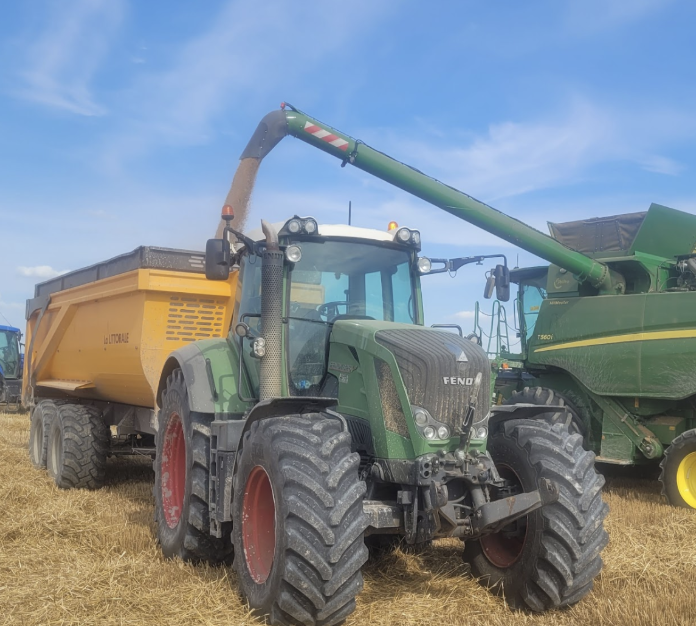
an aerial view of a tractor in a field

Get in touch with our experts

Eugenie
Partnerships

Maxime Alaurent
Agronomist

Coline Ritz
Data Scientist Specialist