

en
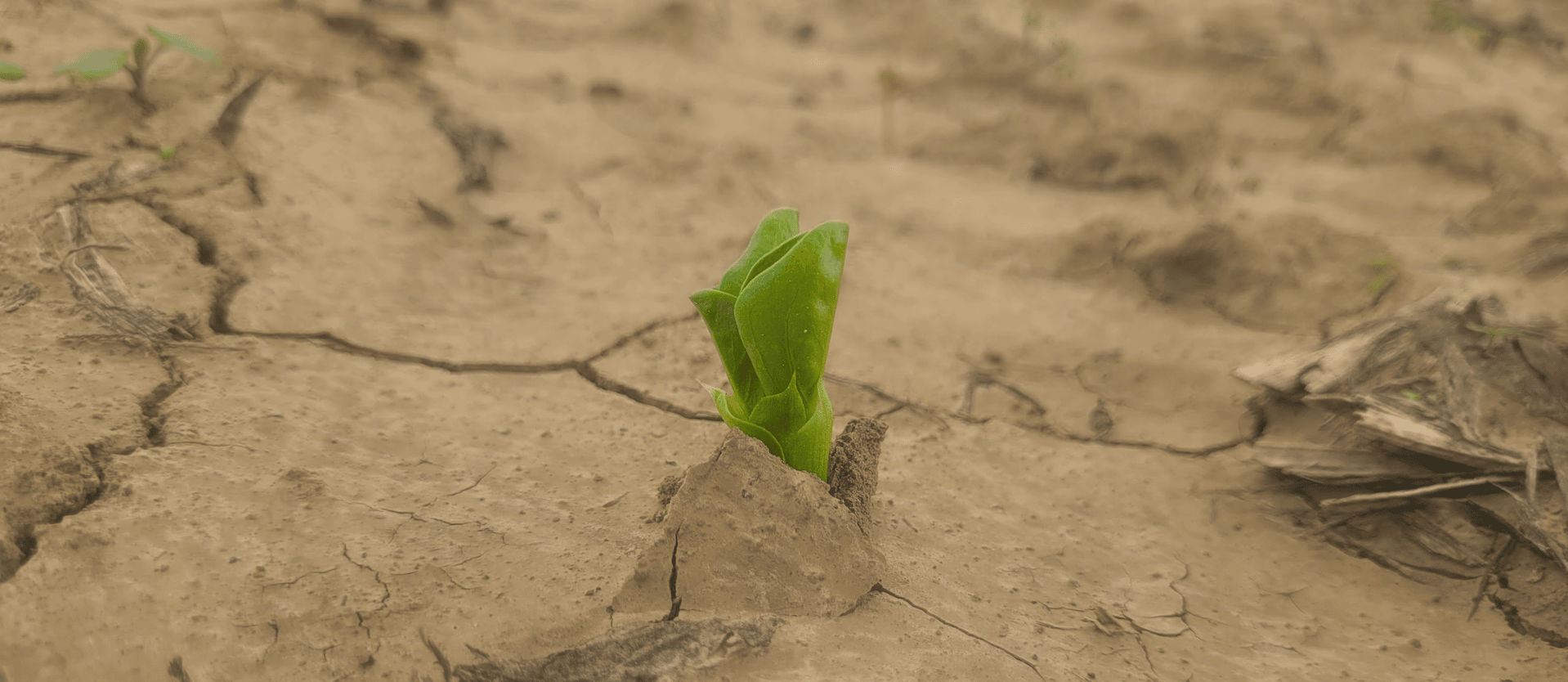
Brussels, 2nd June 2026 – Soil Capital has released early findings from analysis of a first-of-its-kind European dataset showing that regenerative farming practices can help to protect crop production during drought, Europe’s most economically damaging agricultural climate risk.
The analysis centres on independently verified, primary data from 1,262 farms across 331,600 hectares in France – an area more than twice the size of Greater London. Until now, evidence linking regenerative farming to resilience has largely been limited to individual farm studies or theoretical modelling.
Built through the organisation’s regenerative farming transition programme, this dataset combines information on farming practices, yields and soil conditions at field level that has not previously been available at this scale or level of granularity.
In the area where the most detailed evaluation was conducted, yields of the majorly affected crop fell by 22% on the least regenerative farms following the droughts of 2023, compared with only an 8% decline on the highly regenerative farms.
The dataset for the whole of France shows that this trend scales and is statistically significant when other potential drivers like soil type are controlled for. Across cereal crops, specifically, 82 of France’s 96 departments (regions) experienced significant drought in the period and, within these, regenerative practices reduced drought-related yield losses by at least 10% in around 85% of cases.
Andrew Voysey, Chief Impact Officer at Soil Capital, said: “For the first time, we are moving beyond anecdote or modelling to show, through large-scale independently verified field data, how regenerative agriculture can help protect production. That begins to move resilience from a high-level concept towards something that can be understood and managed as a financial risk factor.
“The early findings suggest regenerative agriculture may materially reduce the yield and profit impacts of climate stress events such as drought. We are now deepening this analysis with industry and academic partners to help convert these insights into more informed, risk-adjusted decision-making.”
Professor Erik Mathijs, Head of Agricultural, Food and Resource Economics at KU Leuven in Belgium, the initiative’s first academic partner, said: “There has long been academic interest in how different farming practices can moderate the damaging effects of climate stress on farm output, but what has held us all back is the lack of robust field-level data across large geographies and multiple successive years. Soil Capital’s dataset is unusually strong in this regard and creates an important opportunity to combine our economic and statistical expertise with their agronomic and data science capabilities.”
Soil Capital is working to translate these insights into decision-useful metrics for sourcing, pricing and risk management.
Further details of early industry partners will be announced in the coming weeks.
Editor's Note
About Soil Capital
Founded in 2013, Soil Capital is a certified B Corp working with farmers to support the transition to more resilient and regenerative agricultural systems. Operating across Europe, the company uses agronomic intelligence to connect businesses with farmers who are rewarded for improving soil health, mitigating climate change and reinforcing food security.
Using SBTi FLAG-compliant methodologies and digital tools, on-farm practices are translated into reliable, field-level data and verified outcomes. By linking this data with clear economic incentives, Soil Capital helps farmers manage risk and strengthen long-term performance, while agri-food value-chain actors, cooperatives, financial institutions and public bodies gain credible insight into agricultural performance and land-use risk.
Learn more at www.soilcapital.com.
Media contact
Soil Capital: Rowann Innes – rinnes@headlandconsultancy.com / +44 (0)73 1137 0023
Media Coverage


Brussels, 2nd June 2026 – Soil Capital has released early findings from analysis of a first-of-its-kind European dataset showing that regenerative farming practices can help to protect crop production during drought, Europe’s most economically damaging agricultural climate risk.
The analysis centres on independently verified, primary data from 1,262 farms across 331,600 hectares in France – an area more than twice the size of Greater London. Until now, evidence linking regenerative farming to resilience has largely been limited to individual farm studies or theoretical modelling.
Built through the organisation’s regenerative farming transition programme, this dataset combines information on farming practices, yields and soil conditions at field level that has not previously been available at this scale or level of granularity.
In the area where the most detailed evaluation was conducted, yields of the majorly affected crop fell by 22% on the least regenerative farms following the droughts of 2023, compared with only an 8% decline on the highly regenerative farms.
The dataset for the whole of France shows that this trend scales and is statistically significant when other potential drivers like soil type are controlled for. Across cereal crops, specifically, 82 of France’s 96 departments (regions) experienced significant drought in the period and, within these, regenerative practices reduced drought-related yield losses by at least 10% in around 85% of cases.
Andrew Voysey, Chief Impact Officer at Soil Capital, said: “For the first time, we are moving beyond anecdote or modelling to show, through large-scale independently verified field data, how regenerative agriculture can help protect production. That begins to move resilience from a high-level concept towards something that can be understood and managed as a financial risk factor.
“The early findings suggest regenerative agriculture may materially reduce the yield and profit impacts of climate stress events such as drought. We are now deepening this analysis with industry and academic partners to help convert these insights into more informed, risk-adjusted decision-making.”
Professor Erik Mathijs, Head of Agricultural, Food and Resource Economics at KU Leuven in Belgium, the initiative’s first academic partner, said: “There has long been academic interest in how different farming practices can moderate the damaging effects of climate stress on farm output, but what has held us all back is the lack of robust field-level data across large geographies and multiple successive years. Soil Capital’s dataset is unusually strong in this regard and creates an important opportunity to combine our economic and statistical expertise with their agronomic and data science capabilities.”
Soil Capital is working to translate these insights into decision-useful metrics for sourcing, pricing and risk management.
Further details of early industry partners will be announced in the coming weeks.
Editor's Note
About Soil Capital
Founded in 2013, Soil Capital is a certified B Corp working with farmers to support the transition to more resilient and regenerative agricultural systems. Operating across Europe, the company uses agronomic intelligence to connect businesses with farmers who are rewarded for improving soil health, mitigating climate change and reinforcing food security.
Using SBTi FLAG-compliant methodologies and digital tools, on-farm practices are translated into reliable, field-level data and verified outcomes. By linking this data with clear economic incentives, Soil Capital helps farmers manage risk and strengthen long-term performance, while agri-food value-chain actors, cooperatives, financial institutions and public bodies gain credible insight into agricultural performance and land-use risk.
Learn more at www.soilcapital.com.
Media contact
Soil Capital: Rowann Innes – rinnes@headlandconsultancy.com / +44 (0)73 1137 0023
Media Coverage
